
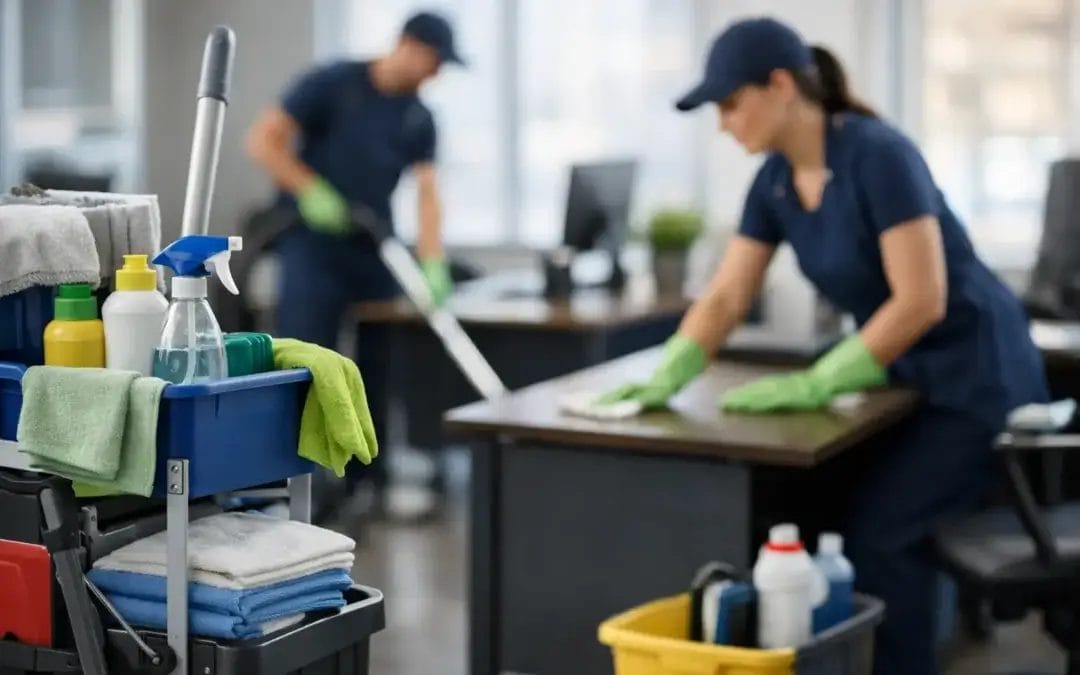
A front desk with fingerprints on the glass, a break room sink full of mugs, and restroom supplies that ran out before lunch – small issues add up fast in a small office. Office cleaning for small businesses is not just about appearances. It affects employee morale, client impressions, daily efficiency, and how much time your team loses handling chores that should not be on their list.
For many local businesses, the challenge is not deciding whether cleaning matters. The challenge is finding a practical way to keep the office consistently clean without overpaying for services they do not need. A smaller workspace has different needs than a large corporate building, and the right plan should reflect that.
Why office cleaning for small businesses matters more than people think
In a small office, everything is more visible. If the lobby floor is dusty or the restroom is not stocked, clients notice right away. Employees notice too. When a workspace feels neglected, it can quietly affect focus and pride in the workplace.
Cleanliness also plays a health role. Shared desks, door handles, break room counters, and restrooms can collect germs quickly, especially during cold and flu season. Regular cleaning helps reduce buildup and supports a healthier environment for staff and visitors.
There is also a time cost that business owners often underestimate. When employees are wiping tables, taking out trash, or trying to clean bathrooms between tasks, they are pulled away from the work they were hired to do. That may seem manageable at first, but over weeks and months it becomes inefficient.
What small offices actually need
Not every office needs daily janitorial service, and that is where many business owners get stuck. They assume professional cleaning means paying for a level of service designed for a much larger facility. In reality, office cleaning for small businesses usually works best when it is tailored to traffic, layout, and use.
A five-person insurance office has different needs than a busy real estate office with constant client visits. A medical-adjacent admin suite may need more frequent disinfecting than a private bookkeeping office with low foot traffic. The right cleaning plan depends on how often people are in the space, whether clients visit in person, how heavily restrooms and break areas are used, and whether your team has any in-house upkeep routines.
Most small offices need attention in the same core areas: floors, entry points, desks and touch surfaces, restrooms, trash removal, and break rooms. What changes is frequency and depth. Some spaces do well with weekly service. Others need two or three visits per week to stay ahead of traffic.
The difference between light upkeep and professional cleaning
A lot of small businesses rely on casual tidying. Someone empties the trash, someone else wipes the counter, and everyone hopes the office looks presentable by the end of the day. That kind of upkeep can help between visits, but it is not a substitute for professional service.
Professional cleaning brings consistency. It means surfaces are cleaned thoroughly, restrooms are handled properly, floors are maintained with the right tools, and problem areas are addressed before they become ongoing issues. It also creates accountability. Instead of wondering who forgot to clean the microwave or restock paper towels, there is a set plan.
This matters even more in client-facing businesses. If your office is part of the customer experience, cleanliness becomes part of your brand. A clean office suggests attention to detail, professionalism, and care. A neglected one sends the opposite message.
How to choose the right office cleaning plan
Start with how your office is used, not just square footage. A small space with high visitor traffic can need more frequent cleaning than a larger office with only a few employees. Think about your busiest zones first. Usually that means the entrance, restroom, conference area, shared kitchen, and any flooring that shows dirt quickly.
Then consider scheduling. After-hours cleaning is often the easiest option because it keeps your team from working around the service. For some offices, daytime cleaning works better, especially if there are staggered hours or part-time staff. The best schedule is the one that causes the least disruption while keeping the office consistently ready.
Customization matters too. Some businesses need recurring service with a predictable routine. Others need occasional deep cleaning in addition to regular maintenance. If your office hosts events, has seasonal busy periods, or just completed renovations, your plan may need to change at different times of year.
That flexibility is important. A good cleaning service should not force a one-size-fits-all package on a small business that simply needs practical, dependable support.
What to look for in a cleaning company
Trust is a big part of hiring any service that works inside your space. You are not just hiring for results. You are hiring for reliability, communication, and peace of mind.
Look for a company with screened and insured cleaners, clear service expectations, and experience serving small offices. Consistency matters. If the quality changes from visit to visit, or if appointments are unreliable, even a lower price stops being a good value.
It is also worth asking how the company handles special requests. Can they focus on certain rooms more heavily? Can they adjust frequency if business picks up? Will they work with your preferred schedule? Small businesses often need service that feels responsive, not rigid.
Local experience can make a difference as well. A provider that understands Charlotte-area businesses, traffic patterns, and scheduling realities is often easier to work with than a large, impersonal operation. Spotless, Inc has built its reputation around dependable service, flexible plans, and the kind of consistency busy local businesses actually need.
Common mistakes small businesses make with office cleaning
One mistake is waiting too long to bring in help. Many owners wait until the office already feels out of control. At that point, the first visit may need to be deeper and more time-intensive than regular maintenance would have been.
Another mistake is choosing based on price alone. Budget matters, of course. But if low cost comes with missed appointments, weak communication, or uneven quality, it creates more stress, not less. Cleaning should make operations smoother.
There is also the issue of unclear scope. If you assume restrooms, break rooms, floors, and trash are included, but the provider is only doing basic surface work, disappointment is almost guaranteed. Clear expectations from the beginning help avoid that problem.
Finally, some offices expect employees to handle too much in between visits. Basic tidiness is reasonable. Asking staff to clean bathrooms or manage deep break room messes on top of their real job duties usually leads to frustration.
When more frequent service makes sense
Weekly cleaning is enough for some offices, but not all. If your team shares tight quarters, clients come in regularly, or your restroom and kitchen see heavy use, more frequent service may be the better choice.
You may also want additional visits during flu season, after staff meetings or open houses, or during periods when the office is simply busier than usual. This is one of those areas where it depends on your operation. The goal is not to buy more cleaning than you need. The goal is to avoid the point where the office starts looking and feeling neglected between visits.
For many small businesses, the best setup is a recurring baseline schedule with room for occasional extra attention. That gives you predictable upkeep without locking you into more than the space requires.
The real return on a cleaner office
A clean office supports more than appearance. It helps employees walk into a space that feels organized and cared for. It helps clients feel comfortable. It reduces the little distractions that make a workday feel harder than it should.
It can also make your business feel more in control. When the workspace is clean, stocked, and presentable, one more background stress is taken off your plate. That matters for owners and managers who are already balancing scheduling, staffing, customer service, and growth.
Office cleaning for small businesses works best when it is simple, reliable, and matched to how the space is actually used. You do not need an oversized plan. You need a service that shows up, does the job right, and helps your workplace stay ready for the people who depend on it every day.
If your office has reached the point where quick tidy-ups are no longer enough, that is usually the clearest sign that a professional plan will save you time, stress, and second-guessing. A cleaner workplace does not just look better. It helps the whole day run better.